
Can Using Sanitary Pads in Summer Cause Fungal Infections?
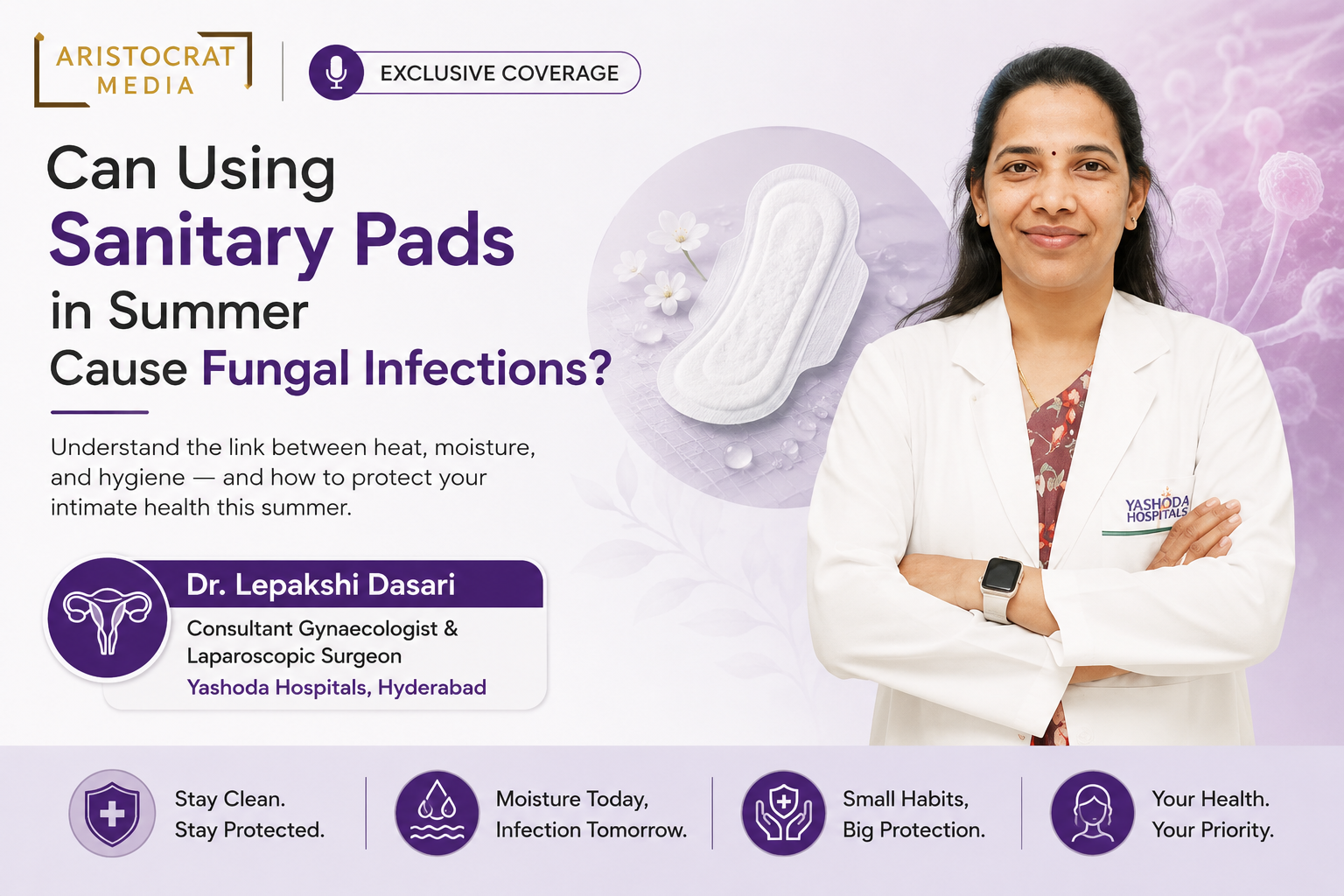
Can Using Sanitary Pads in Summer Cause Fungal Infections?
Summer heat can make periods more uncomfortable than usual. Many women notice itching, rashes, irritation, or discomfort in the intimate area during hot and humid weather. While sanitary pads themselves do not directly cause fungal infections, prolonged pad usage combined with sweat, heat, and moisture can create conditions that increase the risk of irritation and infections.
During menstruation, the genital area already remains warm and moist because of reduced airflow and continuous pad usage. In summer, excessive sweating adds even more moisture to the area. When a sanitary pad is worn for long hours without being changed, sweat, menstrual blood, and heat remain trapped together. This creates an environment where fungi and bacteria can thrive more easily.
Why Summer Increases the Risk
The vaginal area naturally contains healthy bacteria and yeast that maintain balance. However, excessive moisture and heat may disturb this balance and encourage fungal overgrowth, particularly yeast infections caused by Candida species.
Tight clothing, synthetic underwear, and highly absorbent pads worn for prolonged periods may worsen the problem. Friction caused by sweating and constant pad contact can also irritate sensitive skin, leading to redness, burning sensations, or painful rashes.
Women with sensitive skin may additionally react to fragrances, adhesives, dyes, or chemicals present in certain sanitary pads. Scented pads can sometimes trigger irritation or allergic reactions, especially during hot weather when the skin is already more vulnerable.
Common Symptoms to Watch For
Women experiencing irritation related to prolonged sanitary pad use may notice:
- Itching around the intimate area
- Redness or skin rashes
- Burning sensation
- Discomfort while walking or urinating
- Swelling or soreness
- Abnormal vaginal discharge
- Foul smell
- Persistent moisture or irritation
Not every rash is necessarily fungal. In some cases, the irritation may simply result from heat, sweat, or friction between the skin and the pad.
The Importance of Changing Pads Frequently
One of the most common mistakes during periods is not changing sanitary pads often enough, especially when menstrual flow is light. Many women assume a pad only needs replacement when fully soaked. However, experts recommend changing pads every four to six hours even during lighter flow.
Frequent pad changes help reduce moisture build-up, prevent bacterial growth, minimise odour, and lower the risk of irritation or infection. During extremely hot weather or heavy sweating, pads may need to be changed even more frequently.
How to Reduce the Risk of Infection
Maintaining proper menstrual hygiene becomes especially important during summer months. A few simple precautions can help reduce discomfort and prevent infections:
- Choose Breathable Clothing : Wearing loose cotton underwear allows better airflow and helps keep the intimate area dry. Tight jeans or synthetic fabrics can trap sweat and increase irritation.
- Avoid Scented Products : Fragranced pads, intimate washes, and perfumed products may disrupt the natural vaginal environment and irritate sensitive skin.
- Keep the Area Dry : After using the restroom, gently pat the area dry instead of leaving moisture trapped. Excess dampness creates favourable conditions for fungal growth.
- Maintain Gentle Hygiene : Washing the intimate area with plain water and mild soap is usually sufficient. Excessive cleaning or douching can disturb the vagina’s natural protective balance.
- Consider Alternative Menstrual Products : Women who experience repeated irritation may benefit from trying fragrance-free pads, menstrual cups, cotton reusable pads, or period underwear, depending on personal comfort and medical suitability.
When to See a Doctor
Persistent symptoms should never be ignored. If itching, redness, swelling, foul-smelling discharge, or pain continues despite proper hygiene, medical attention is important. Self-medicating with over-the-counter creams without proper diagnosis may sometimes worsen the condition.
Certain women, including those with diabetes, excessive sweating, sensitive skin, or recurrent infections, may be more prone to fungal problems during summer and should be extra cautious.
Final Thoughts
Sanitary pads alone are not usually the direct cause of fungal infections, but prolonged use during hot and humid weather can increase the risk of irritation and infections. Heat, trapped moisture, friction, and poor menstrual hygiene all contribute to discomfort during summer periods.
Simple measures such as changing pads regularly, staying dry, choosing breathable fabrics, and avoiding harsh products can go a long way in protecting intimate health during the warmer months.

Leave a Comment