
Phygitalization in Healthcare
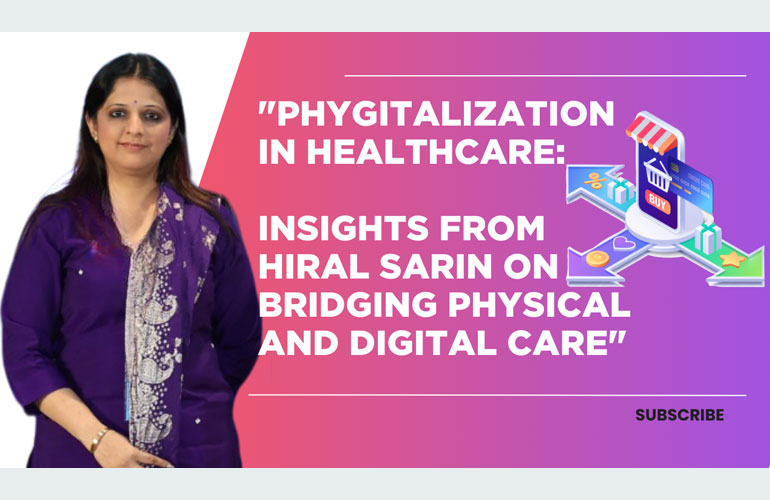
Phygitalization in Healthcare
Q1. How do you define phygitalization in healthcare, and why is it becoming a crucial strategy in modern medical practices?The healthcare assiduity is witnessing a transformative shift, with the confluence of physical and digital gests getting decreasingly current.
This miracle, what we call as phygitalization, is revolutionizing how healthcare is delivered, endured, and perceived. Phygital models combine physical healthcare services with digital technologies, creating a flawless experience for cases.
This approach leverages digital tools to enhance traditional healthcare settings, making services more accessible and effective.
At its core, phygitalization in healthcare involves seamlessly integrating digital technologies into physical healthcare settings to produce a more connected, effective, and substantiated experience for cases and providers.
This integration can manifest in colourful ways, from virtual consultations and remote case monitoring to stoked reality (AR) surgical guidance and AI- powered diagnostics.
Q2. What key trends are driving the shift toward a phygital healthcare model?1) Technological Advancements: Innovations in technology are transforming medical practice, bringing new treatments like mRNA vaccines and cell and gene therapy.
2) Advancement of Digital Health Solutions:The digital health sector is evolving at a rapid pace, showcasing innovative strategies in early diagnosis, lifestyle changes, and treatment choices.
3) Blending Physical and Digital Experiences: The phygital method combines the real-world interactions of physical engagement with the effortless benefits of digital technology, improving patient experiences results
4) Data- Centric Personalization: In phygital healthcare, information plays a key role in enhancing patient care by facilitating personalization, predictive insights, and more intelligent decision-making.
Q3. Can you share a real-life example where phygitalization led to a measurable improvement in healthcare outcomes?Answer – Some common exemplifications to point out would be:
1) Interactive Wayfinding- Hospitals and conventions can apply interactive digital charts within them installations, guiding cases to their movables, specific departments, or amenities like restrooms and cafes. These charts can be penetrated through mobile apps or alcoves, furnishing real- time updates on delay times and available services.
2) AI- Powered Chatbots AI- powered chatbots can give instant support and guidance to cases, answering common questions, cataloging movables , and indeed offering primary symptom assessments. This can free up healthcare staff to concentrate on further complex case requirements and ameliorate overall effectiveness.
3) Virtual Reality( VR) for Pain Management VR technology can be used to distract cases from pain during procedures or recovery. Immersive VR gests can transport cases to calming virtual surroundings, similar as relaxing strands or serene timbers, reducing anxiety and discomfort.
Q4. How can pharmaceutical companies and diagnostic centers benefit from phygital transformation?Answer – Pharmaceutical leaders are more frequently embracing direct-to-consumer (DTC) phygital platforms—merging physical and digital experiences—to improve patient interaction and simplify healthcare provision. This strategic change is motivated by a number of important elements:
1) Improved Patient Access and Convenience: DTC platforms allow patients to engage directly wit to engage directly with pharmaceutical services, providing conveniences like telehealth consultations, prescription deliveries, and access to diagnostic testing. For example, Pfizer’s “PfizerForAll” platform enables patients to participate in telehealth consultations, obtain medications, and book vaccine appointments directly via their system.
Simplified Supply Chain and Expense Decrease: By eliminating conventional intermediaries, pharmaceutical firms can lessen supply chain intricacies and related expenses. This straightforward method not only reduces costs but also enables businesses to provide consumers with competitive prices.
Diagnostic centers stand to gain considerably from implementing a phygital transformation. The primary benefits consist of:
Improved Efficiency and Shortened Turnaround Time (TAT): Adopting deep learning solutions can optimize image evaluation and report creation. For example, a diagnostic facility that implemented this technology realized a 54% decrease in TAT, enhancing service speed and patient contentment.
Decrease in Operational Expenses: Automation and digital processes lessen the administrative workload on employees, reduce mistakes, and enhance resource distribution, resulting in savings and improved efficiency.
Improved Patient Accessibility and Convenience: Phygital models provide patients with the ease of digital engagement, including online appointment booking and telehealth services, integrated with required in-person consultations, ensuring a smooth and accessible healthcare journey.
Q5. How do you see phygitalization reshaping patient-physician relationships in the next decade?Answer: The fusion of physical and digital healthcare services, referred to as “phygitalization,” is set to profoundly transform patient-physician dynamics in the coming decade. Key expected transformations encompass: Improved Communication and Accessibility: Digital platforms will enable more regular and convenient exchanges between patients and doctors, allowing prompt consultations and follow-ups without the limitations of in-person visits. This enhanced accessibility can bolster the therapeutic relationship and elevate patient contentment.
Tailored Healthcare via Data Unification: The combination of face-to-face evaluations with data obtained from wearable technology and health applications will offer doctors in – depth understanding of patients’ well- being. The comprehensive perspective enables more tailored and anticipatory care approaches, promoting a greater understanding and co-operation in the relationship between patient and physician.
Enhanced Efficiency and Diminished Administrative Load: Phygital tools can simplify administrative activities, enabling physicians to spend additional time on patient care. This efficiency can improve the quality of interactions, as doctors are less burdened by paperwork and can concentrate on patient needs.
In conclusion, phygitalization will revolutionize the relationships between patients and physicians by improving communication, tailoring care, and empowering patients.
Q6: What are some upcoming innovations in phygital healthcare that excite you the most?Answer: Phygital healthcare is bringing forth a surge of innovations ready to revolutionize patient care. Significant advancements encompass:
Artificial Intelligence (AI) and Machine Learning in Diagnostics: AI-powered technologies are improving the accuracy of diagnoses by examining medical images and patient information with exceptional precision. These technologies assist clinicians in making educated choices, resulting in earlier disease identification and enhanced treatment approaches.
Virtual Reality (VR) and Augmented Reality (AR) in Medical Education: The implementation of VR and AR technologies is transforming medical training by offering immersive simulations for surgical techniques and patient engagements. These resources improve the training process, resulting in more qualified healthcare workers.
Incorporation of AI in Healthcare Equipment: Firms such as Philips are integrating AI into medical devices to improve diagnostics and patient treatment. This integration seeks to enhance the precision and effectiveness of healthcare services, leading to improved patient results.
Enhanced Remote Patient Tracking: The combination of wearable technology and Internet of Medical Things (IoMT) systems allows for the ongoing observation of patients’ vital signs and health statistics. This immediate data gathering enables proactive measures and tailored treatment strategies, improving patient results.
Q7. Do you think phygitalization can address global healthcare inequities?
Why or why not?
Answer: Phygitalization has considerable potential to tackle global healthcare disparities. Here’s the way it can create an impact:
- Improved Accessibility
- Affordable Care Provision Tailored and Proactive Healthcare
- Health Education and Literacy
Nonetheless, there are obstacles present: Digital Divide – Differences in internet accessibility and digital skills may limit the efficacy of phygital healthcare solutions, possibly worsening current inequalities if not adequately tackled.
Data Privacy and Security:Safeguarding the confidentiality and security of patient information is vital, especially in areas with weak regulatory systems, to uphold trust and defend individual rights.
In summary, although phygitalization presents hopeful opportunities to address global healthcare disparities, it necessitates intentional approaches to tackle obstacles associated with the digital divide and data security. By tackling these challenges, phygital healthcare can aid in creating a fairer global health environment.Disclaimer: The views and opinions expressed in this interview are those of the author and do not reflect the official position of any medical body or organization. The author is not a medical doctor; however, the insights shared are based on over a decade of working experience in the healthcare sector start-ups. Readers should consult with a qualified healthcare professional for medical advice or information related to their specific situation.
Please follow our page Aristocrat Media for more updates
For Enquiries connect us on:
marketing@aristocrat-media.com
+91 79776 39336
Leave a Comment