
India’s Medical Visa Curbs
India’s Medical Visa Curbs
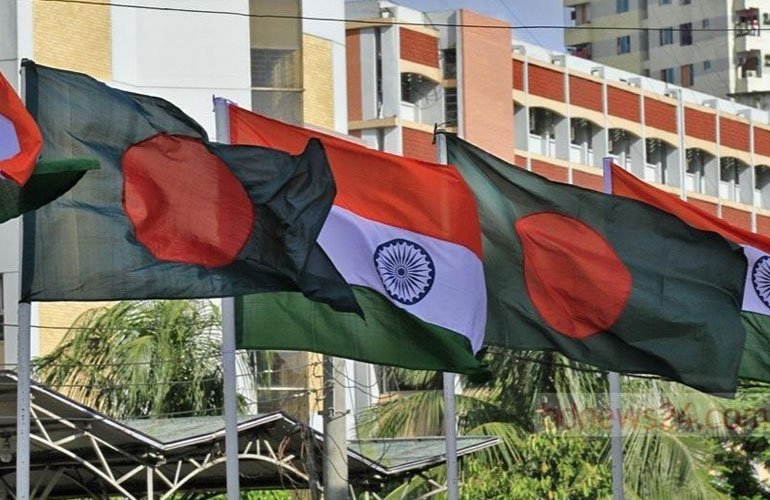
India has significantly reduced the issuance of medical visas to Bangladesh, citing staff shortages and security concerns amid strained relations. Previously, India issued 5,000 to 7,000 medical visas daily, but this has now dropped to fewer than 1,000. The move follows the change in Bangladesh’s government, with Nobel laureate Muhammad Yunus replacing India’s ally Sheikh Hasina.
As India limits access, China is stepping in to fill the gap. Chinese companies have invested over $230 million in Bangladesh since the new government took office. Additionally, China is exploring medical tourism opportunities and considering the establishment of a friendship hospital in Dhaka.
India’s decision has alienated not only the Bangladeshi government but also the public, potentially weakening its regional influence. While India’s visa restrictions continue, Yunus is set to visit China for talks with President Xi Jinping, further strengthening China-Bangladesh ties. An expected meeting between Yunus and Indian Prime Minister Narendra Modi may offer a chance to address the situation.
This shift highlights China’s growing influence in South Asia, as India’s traditional dominance in the region faces challenges.
News Source: https://www.reuters.com/world/asia-pacific/india-snubs-bangladesh-medical-visas-opening-way-china-2025-03-19/
Disclaimer: The information provided in this newsletter is for general informational purposes only and reflects the latest updates and trends across various sectors. While we strive for accuracy, Aristocrat Media assumes no responsibility for errors or omissions. Readers are encouraged to verify details independently and consult appropriate professionals before making decisions.

Leave a Comment