
ISSICON 2026 Brings Global Spine Care Experts to India, Highlights
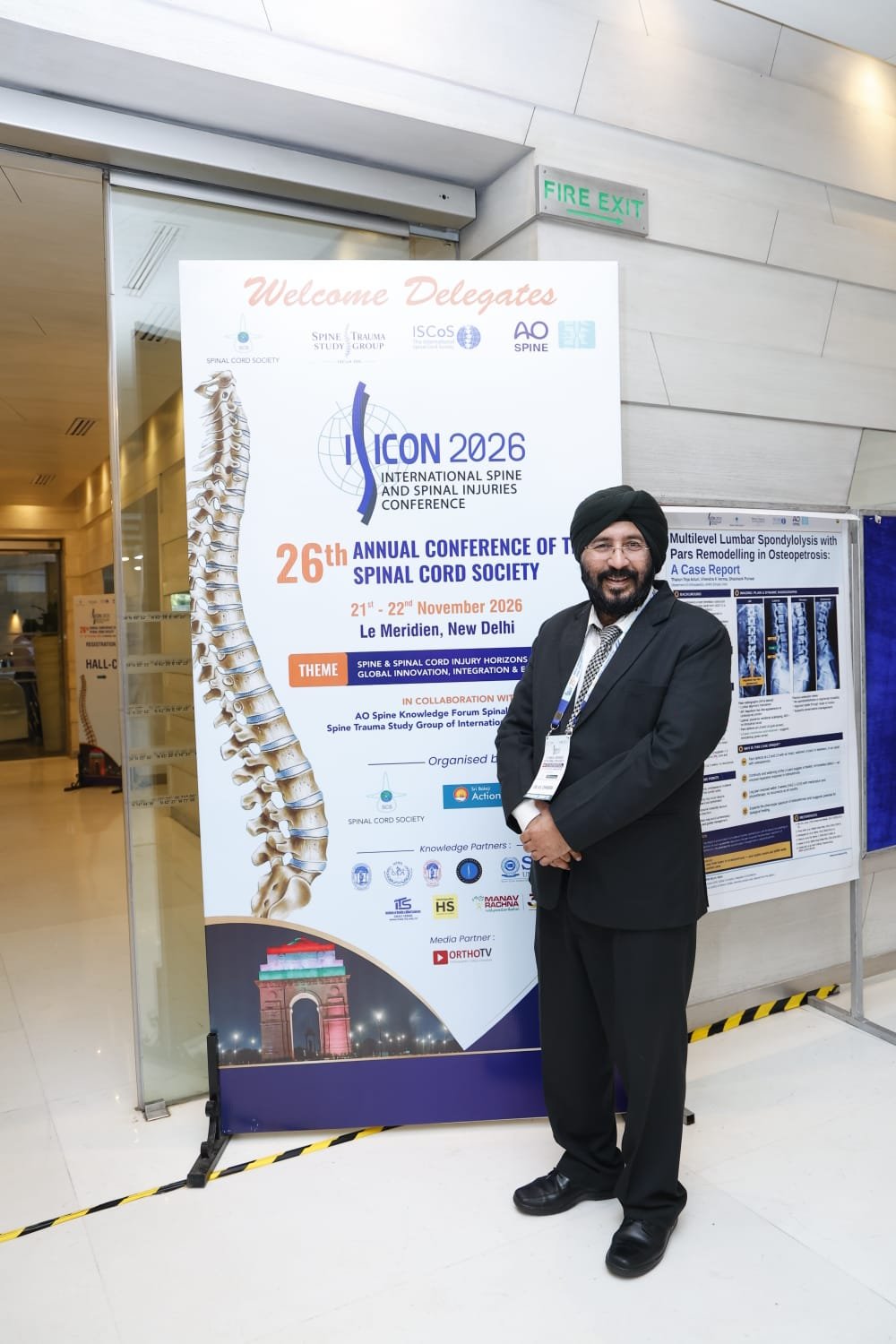
ISSICON 2026 Brings Global Spine Care Experts to India, Highlights
Advances in Integrated Treatment and Rehabilitation
* The four-day international conference brought together leading experts from India, the US, UK, Canada, Europe, Iran and Australia to discuss advances in spine surgery, spinal cord injury management, emerging technologies and long-term rehabilitation.
* Key highlights included discussions on a proposed National Spine Care Programme, a hub-and-spoke model for expanding access to specialised care, and collaborative position statements to promote evidence-based clinical practice.
* The conference recognised excellence and innovation through the Patrick Kluger Innovation Award, Spinal Cord Society Gold Medal Awards and the Best Published Paper Award, carrying a prize of €1,000 (approximately ₹1 lakh).
New Delhi, November 21, 2026: Strengthening access to specialised spine care, advancing spinal cord injury management and ensuring sustained rehabilitation and community reintegration were among the key priorities discussed at ISSICON 2026, the 26th Annual Conference of the Spinal Cord Society (SCS) of India, being held in New Delhi from November 20 to 23.
The four-day conference brought together spine surgeons, neurosurgeons, rehabilitation specialists, researchers and allied healthcare professionals from India, the United States, the United Kingdom, Canada, Iran, Australia and several European countries. Organised by the Spinal Cord Society in collaboration with the International Spinal Cord Society (ISCoS), AO
Spine and the Spine Trauma Study Group of ISCoS, the conference is being held under the theme
“Spine and Spinal Cord Injury Horizons 2026: Global Innovation, Integration & Excellence.”
A major focus of the deliberations was the need to strengthen India’s spine care delivery system through a proposed National Spine Care Programme and a hub-and-spoke model that could connect specialised centres with secondary and peripheral healthcare facilities. Discussions also addressed three collaborative position statements aimed at promoting
standardised, evidence-based clinical practices and improving the quality and accessibility of spine care.
The scientific programme featured six plenary experts, including Dr Brian Kwon, Dr James Middleton, Dr Michael Fehlings, Dr Shekar Kurpad, Dr H. S. Chhabra and Dr A. K. Mukherjee. Their presentations and discussions covered spinal cord injury research, repair and regeneration, emerging treatment approaches, equitable access to specialised care and the translation of scientific advances into meaningful clinical outcomes.
Commenting on the conference’s national priorities, Dr H. S. Chhabra, President, Spinal Cord Society of India and Director, Spine & Rehabilitation, Sri Balaji Action Medical Institute, New Delhi, said, “India’s spine care challenge is not limited to the availability of advanced surgical expertise. It is equally important to ensure that patients reach the right specialist at the right time and continue to receive appropriate care beyond the initial intervention. We need a coordinated national approach that brings together specialised centres, trained multidisciplinary teams, stronger referral networks and accessible rehabilitation services. The proposed National Spine Care Programme and hub-and-spoke model are important steps towards this objective.
“The importance of strengthening this continuum of care is underscored by the substantial and persistent disability burden associated with spinal cord injuries, particularly among younger adults. A study published on November 17, 2026, in Discover Public Health, using estimates from the Global Burden of Disease (GBD) Study 2023, examined subnational inequalities in spinal cord injury-related disability among Indians aged 20–39 years.
It reported an agestandardised prevalence of 193.07 per 100,000 population and a years lived with disability (YLD) rate of 65.83 per 100,000 nationally in 2023. South India had a higher YLD rate of 68.21 per 100,000, with considerable variation across states. The findings highlight the need for stronger injury prevention, surveillance, rehabilitation infrastructure and region-specific disability support policies.
For younger individuals, spinal cord injuries can have consequences extending far beyond mobility, affecting education, employment, financial independence, family life and social participation. Ensuring that advances in acute treatment translate into sustained functional recovery and improved quality of life therefore remains a critical healthcare priority.
The conference placed considerable emphasis on practical training and technology-enabled care, featuring 10 surgical and 10 rehabilitation workshops. Surgical workshops covered spinal fixation, kyphoplasty, endoscopic procedures and robotic-assisted surgery.
Rehabilitation workshops demonstrated emerging approaches and technologies, including exoskeletons, functional electrical stimulation, robotics and virtual reality. Specialised sessions addressed diaphragm pacing and spinal cord stimulation. Dedicated discussions involving persons with spinal cord injuries and multidisciplinary care teams focused on psychosocial support, participation and community reintegration. Post-conference cadaveric workshops included advanced endoscopic and lumbar spine surgical techniques.
This article/press release has been shared by the respective organization/author. Views expressed are personal and Aristocrat Media does not independently verify claims or endorse products/services mentioned.

Leave a Comment